Calormene Army
The Last BattleThe Calormene Army is the invading force that converts the false rule established by Shift and the Ape into the conquest of Narnia. Its campaign unfolds in stages: Calormene agents first enter in small groups under the appearance of peaceful merchants, while a larger force arrives later by sea and takes Cair Paravel. At Stable Hill, its superior numbers and long spears overwhelm the defenders. The army’s advance makes plain that the Ape’s claims of an agreement with the Tisroc were not merely a means of extracting labor, but part of a broader political and military takeover.
Infiltration and Conquest
The invasion begins under cover. Calormenes had entered Narnia one or two at a time, posing as peaceful merchants; because they could not conceal spears, these early arrivals did not openly carry them. Once the Ape had grown powerful, additional troops could march into the country openly. The contrast between covert entry and later armed force marks the transition from a deception operating through the Ape to direct military occupation.
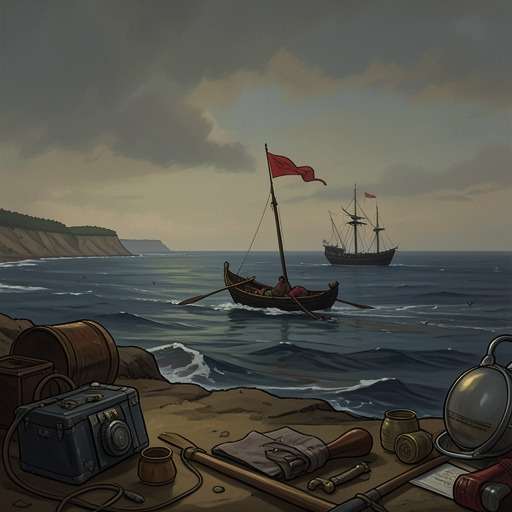
The decisive blow comes at Cair Paravel. Farsight reports that twenty Calormene ships put in there under cover of darkness, two nights earlier. The castle is taken, with Calormenes occupying its battlements and Narnians dead or fleeing into the woods. The news reveals the scale and success of the invasion: the resistance at Stable Hill is not facing an isolated band but a force backed by an already-captured capital and a route across the sea.
Rule and Forced Labor
The Ape invokes an alleged settlement with the Tisroc to justify the new order. He announces that working animals will be sent to Calormen for labor, while digging animals—including moles, rabbits, and Dwarfs—will be sent to the Tisroc’s mines. When the Beasts object that Aslan would not sell them into slavery, the Ape denies the name while describing a system in which their supposed wages go to Aslan’s treasury and are spent for everyone’s good. His glance toward the chief Calormene, followed by the Calormene’s formal reply, exposes the political alliance behind the announcement.
The army’s presence therefore gives material force to a rule first imposed through false religious authority. The Ape claims to speak for Aslan and declares that Aslan has settled matters with the Tisroc; Calormene power stands behind the threatened deportations and labor. The episode makes the supposed arrangement between Narnia’s ruler and Calormen a mechanism of subjection, not a genuine agreement made by the Narnians.
The Battle at Stable Hill
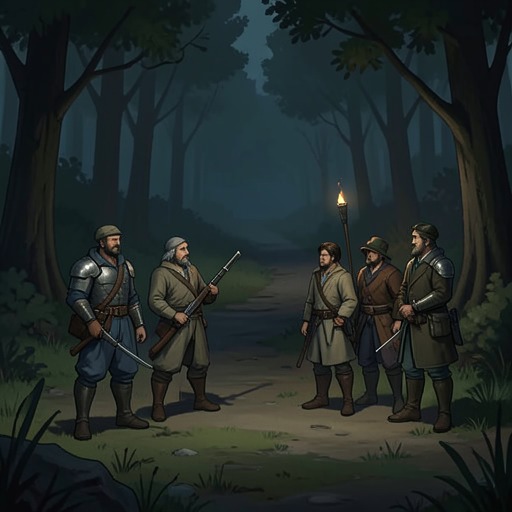
At Stable Hill, the army’s officers seek to capture the defenders and drive them into the Stable, where Rishda says they will be offered to Tash. He orders his troops to take the group alive if possible, while allowing them to kill the Beasts. This command reveals that the Stable is being used not only as a place of confinement but as the intended destination of a planned sacrifice.
The fighting turns on the weapons and numbers available to the opposing sides. The earlier Calormenes who had accompanied the Ape had come in small groups without spears; the newer troops could advance openly with them. Long spears give the soldiers a reach that can bring down a boar or threaten a unicorn before either can get close enough to use its natural weapons. As the spear line closes, Tirian and his remaining companions are forced into a struggle for survival. Tirian sees Jewel fighting nearby and catches a glimpse of Jill being pulled away, while he tries to make his own life cost the attackers as much as possible. The army’s weapons transform an unequal conflict into a desperate last stand.
Defeat and Narrative Significance
The Calormene Army’s victories do not amount to lasting possession of Narnia. After the world’s final judgment begins, Aslan calls the stars home, and the creatures are brought before him. Those who face him with fear and hatred turn away; those who love him enter through the Door. The narrative’s final movement thus passes beyond the military contest between the army and the Narnians. The destruction of the old world ends the conditions under which the invasion could continue, while the survivors enter a reality the army’s conquest cannot reach.
The army is significant as both an invading institution and the visible edge of the Ape’s fraudulent government. Its tactics explain why the resistance is outmatched: the enemy has entered covertly, captured Cair Paravel, and brought weapons suited to fighting Narnian animals at a distance. Yet the ending refuses to make military defeat the final measure of Narnia’s fate. The Calormene campaign belongs to the passing order; the story concludes not with restoration of the captured kingdom but with the revelation of a greater world beyond its end.